Activity: Climbing Kilimanjaro
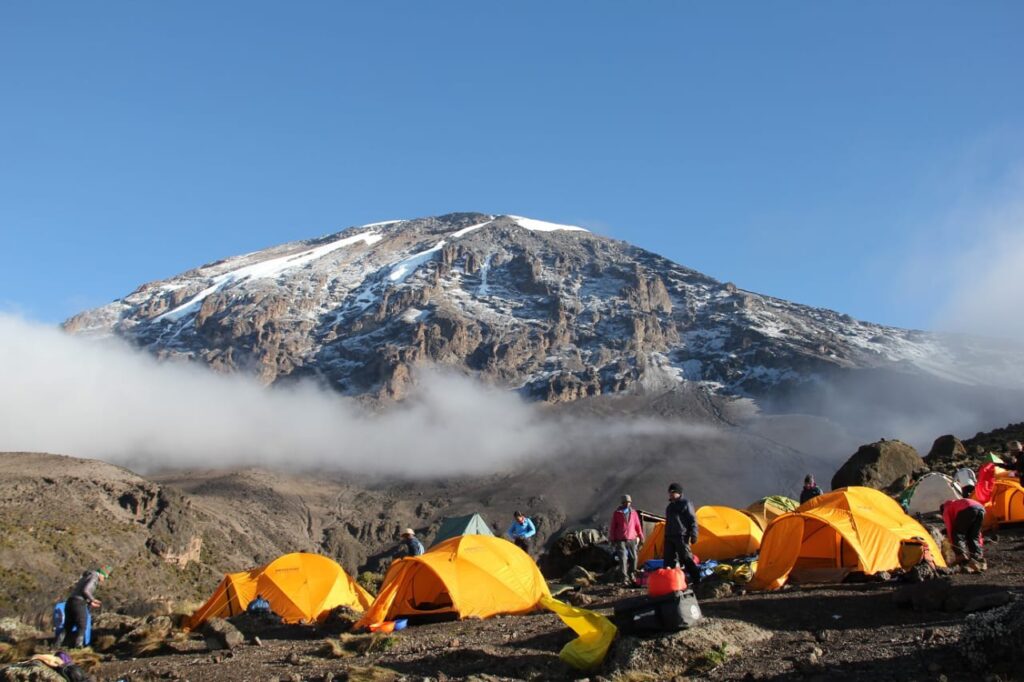
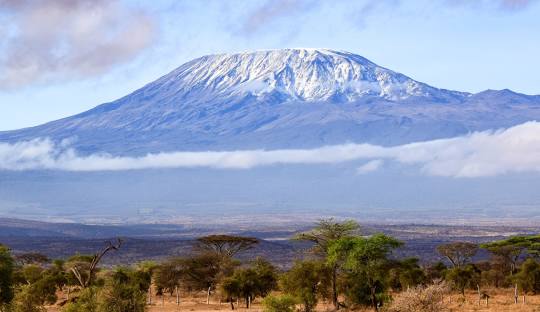
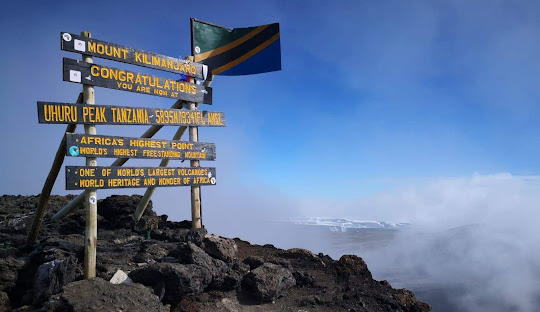
Mount Kilimanjaro, located in northeastern Tanzania, is Africa’s highest peak, standing at 5,895 meters (19,341 feet) above sea level. Known as the “Roof of Africa,” Kilimanjaro is a dormant stratovolcano composed of three cones: Kibo, Mawenzi, and Shira. The mountain’s snow-capped peak and distinct ecosystems make it a popular destination for adventure and nature enthusiasts worldwide.
Key Facts:
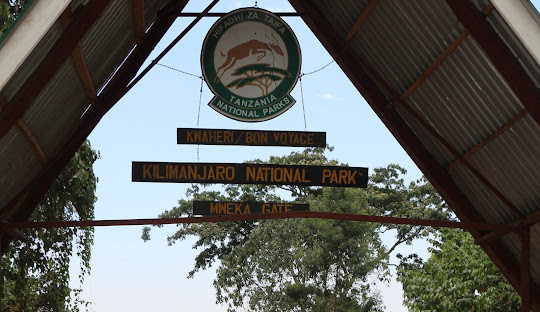
- Location: Kilimanjaro is situated within Kilimanjaro National Park, a UNESCO World Heritage site.
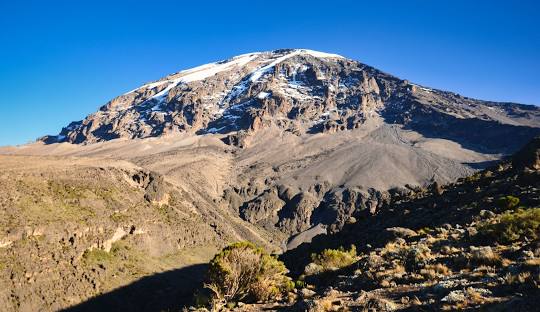
- Climate Zones: The mountain has five distinct climatic zones, ranging from tropical rainforests at the base to alpine desert, eventually leading to an arctic summit with glaciers.
- Routes: Several trekking routes offer various experiences and difficulty levels, including the Marangu, Machame, Lemosho, Rongai, Shira, and Umbwe routes. Each route offers different scenery, acclimatization profiles, and trekking lengths.
- Difficulty: Kilimanjaro is considered a non-technical climb, meaning it doesn’t require advanced mountaineering skills or equipment, but the altitude and conditions can be challenging. Altitude sickness is a common concern, and acclimatization is essential.
- Best Time to Climb: The most favorable conditions occur from January to March and June to October, when weather is drier and visibility is better.
Attractions and Experiences
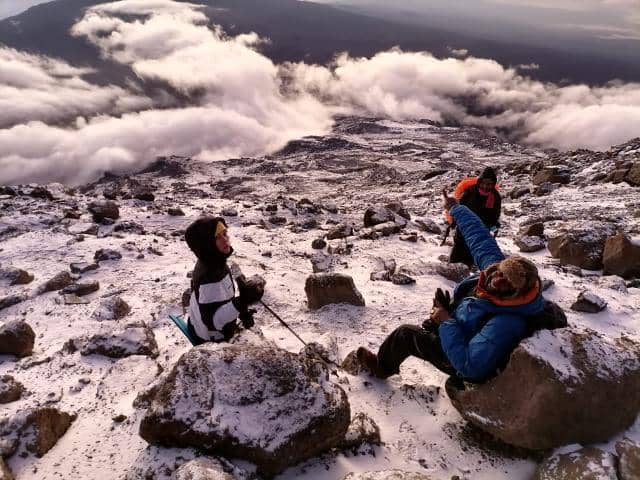
- Summit Day: Reaching Uhuru Peak, the highest point, typically starts around midnight for a sunrise summit attempt.
- Wildlife: The lower zones feature unique wildlife, including colobus monkeys, elephants, and various bird species.
- Culture: The Chagga people, who live around Kilimanjaro, play a significant role in the trekking industry, serving as guides and porters.

6 Days 5 Nights – Kilimanjaro Trekking Tour Via Machame Route + 2 nights hotel stay
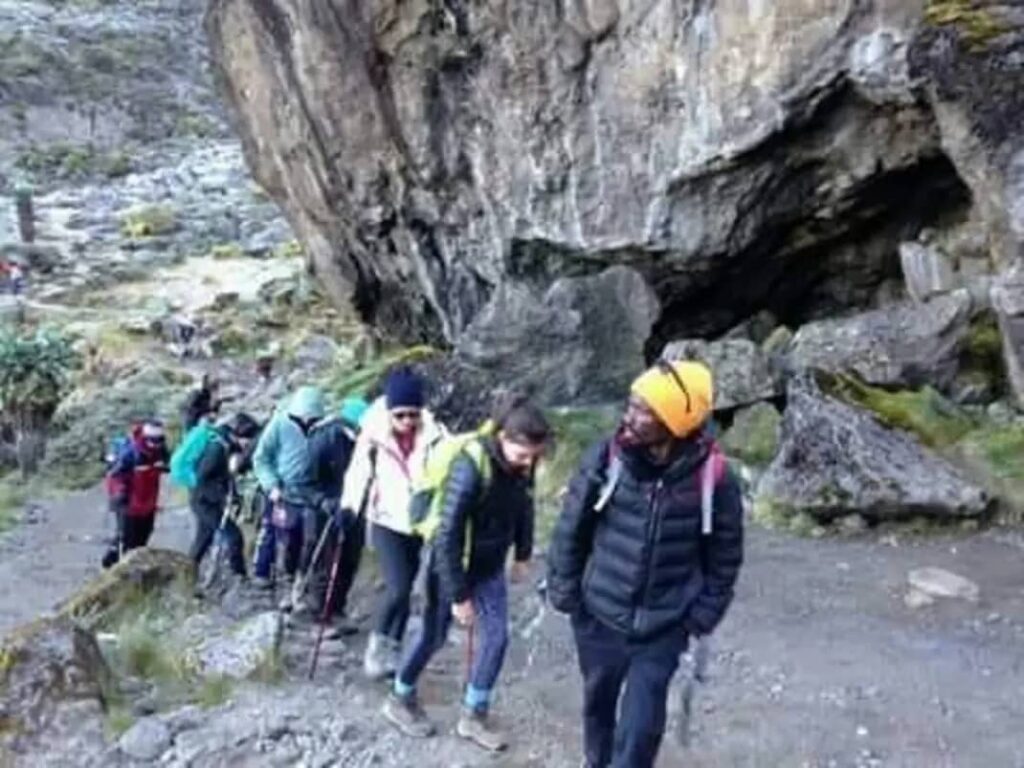
The Machame route is proven to be scenically the most beautiful and appealing route comparing to other routes. Taking you through the stunning sights across the Shira plateau, from Barranco Wall to Lava tower and all the way up to the summit, the Machame route has much more to offer than the amazing memories of the Kilimanjaro adventure experience. Some parts of this route are steeper than the Marangu and Rongai routes and strategically more demanding but is strenuously easier comprehensive. However, the Machame route is highly reputable for its rising and falling elevations with trek high and sleep low geomorphology that offers a better acclimatization hike as we move from one camp to another.
9 Days 8 Nights – Kilimanjaro Trekking Tour Via Lemosho Route + 2 nights’ hotel stay
The Londorossi gate is located at the Western part of the Mountain adjacent the Lemosho route entrance gate.
6 Days 5 Nights Kilimanjaro Trekking Tour Via Umbwe Route + 2 nights’ hotel stay
We will start our trek for the Kilimanjaro’s Frozen Summit adventure via Umbwe Route from the southern plains of the mountain.
8 Days 7 Nights Kilimanjaro Trek Via Lemosho Route + 2 Nights’ Hotel Stay
Embark on the 8 days 7 nights Mount Kilimanjaro trek via Lemosho Route with Kilitusk African Adventure for a scenic and rewarding Kilimanjaro climb, ensuring optimal acclimatization and summit success possibilities.
7 Days 6 Nights Kilimanjaro Trek Via Machame Route +2 Nights’ Hotel Stay
Explore the 7 days Machame Route on Mount Kilimanjaro with MH Kilitusk for an exhilarating trekking adventure.
6 Days Nights Kilimanjaro Trek Via Marangu Route +2 Nights’ Hotel Stay
Explore the 6 days Marangu Route on Mount Kilimanjaro with MH Kilitusk for an unforgettable trekking adventure.
5 Days 4 Nights Kilimanjaro Trek Via Marangu Route +2 Nights’ Hotel Stay
The Marangu route is one of the most moulded route with a well-advanced and gradual trail all the way to the Kibo base camp and finally to the Mount Kilimanjaro summit