Ngorongoro Crater Safari Tanzania
Nestled in northern Tanzania’s highlands, the Ngorongoro Crater is one of Earth’s most impressive natural amphitheaters a collapsed caldera bustling with wildlife, framed by its steep walls. It’s part of the Ngorongoro Conservation Area, a multi-use landscape where wildlife coexists with indigenous pastoralist Maasai. As you descend into the crater, you’re stepping into a self-contained ecosystem brimming with elephants, rhinos, lions, zebras, flamingos, and more.
Ngorongoro Crater Safari Tanzania offers unique access to the densest wildlife populations in Africa a true safari of a lifetime.
What is the Ngorongoro Crater?
The Ngorongoro Crater is the world’s largest inactive volcanic caldera, spanning 260 square kilometers and plunging over 600 meters deep. At its base lies a mosaic of grasslands, swamps, soda lakes, and woodlands perfect for supporting year‑round water and food.
Rather than a singular geological feature, the crater today is a dynamic, closed ecosystem—a wildlife sanctuary where animals cannot migrate out, creating spectacular viewing opportunities.
The Geological Formation of Ngorongoro Crater
Around two to three million years ago, a massive volcano erupted, emptied its magma chamber, and collapsed inward forming the bowl-shaped caldera we see today. Erosion over millennia shaped its steep walls, while volcanic soil created nutrient-rich grounds on which dense wildlife thrives.
This geological past is not just geological lore it’s what makes the crater’s ecology possible, from its lush grasslands to alkaline lakes that feed flamingos.
Ngorongoro Conservation Area: More Than Just the Crater
Created in 1959, this >8,000 km² multi-zone area allows Maasai pastoralists to graze their cattle among wild herbivores an unusual human-wildlife coexistence model. Their presence has helped preserve an open landscape, allowing tourism to flourish alongside traditional culture.
Expect authentic Maasai interactions in local villages without disrupting the delicate ecosystem of the crater floor.
UNESCO World Heritage Status and Its Global Importance
In 1979, Ngorongoro Conservation Area earned UNESCO World Heritage status for safeguarding its unique geology, outstanding biodiversity, and cultural heritage. The crater’s wildlife density peaked at 25,000 large mammals in one year, supporting species that have become locally extinct elsewhere.
International conservation bodies cite Ngorongoro as a “living laboratory” for sustainable ecosystems and responsible tourism.
Best Time to Visit Ngorongoro Crater
- January–March: Calving in forested areas—predator activity increases.
- April–May: Green and lush, best for birding and photographic scenery.
- June–October: Dry season, easier wildlife spotting as herbivores congregate near water.
- November–December: Short rainy season; crater falls quiet and verdant.
No matter the season, expect dramatic crater wall views and year‑round animal sightings.
Top Animals You’ll Encounter in Ngorongoro Safari
The crater supports about 25,000 large mammals in a 260 km² area. Highlights include:
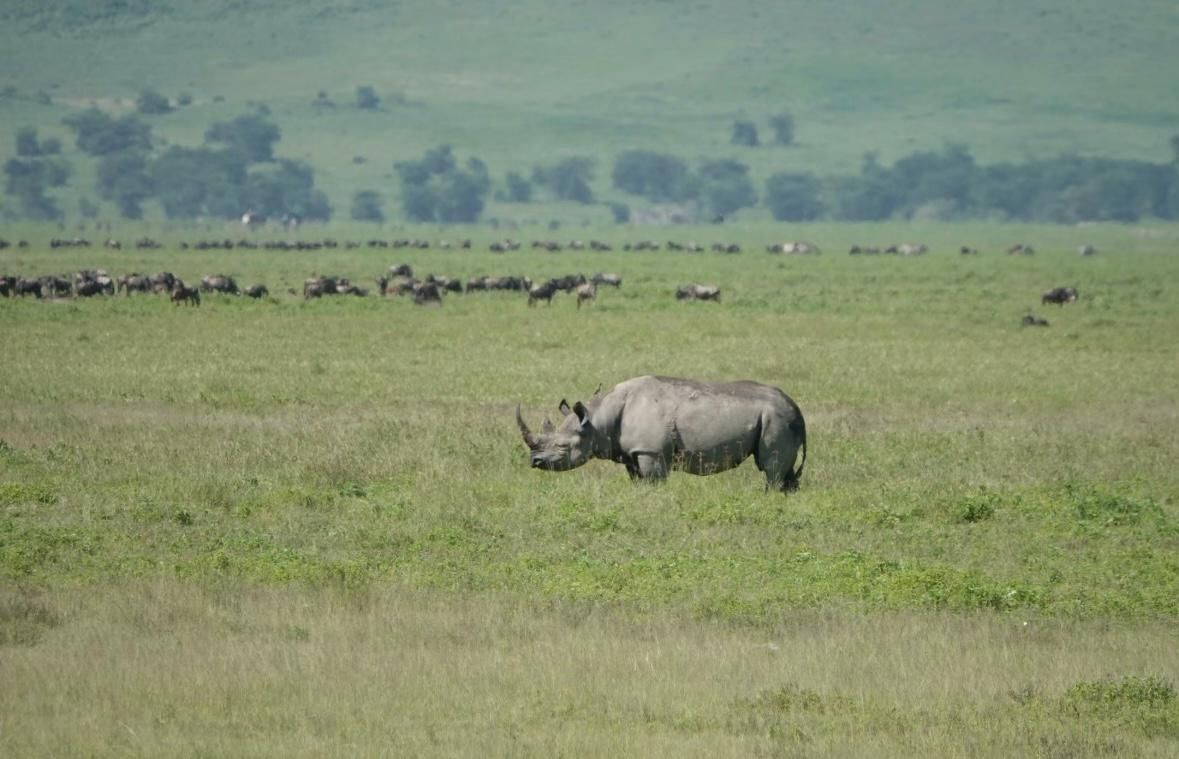
- Black rhino: One of Africa’s last strongholds.
- Elephants, buffaloes, wildebeest, zebra: Roaming in large numbers.
- Lions, spotted hyenas, jackals: Predatory action you can easily observe.
- Topi, eland, warthog: Grazers across diverse habitats.
- Flamingos: Feeding in soda lakes, painting the flats pink.
A half‑day game drive can take you through this full cast of East African wildlife.
Big Five Sightings in Ngorongoro Crater
Ngorongoro is one of just a few places where you can see all Big Five (lion, elephant, buffalo, rhino, leopard) in a single morning drive. Black rhinos are regularly seen near wetlands, while lion prides stroll across open plains. Leopards, though more elusive, inhabit crater walls for tree-sunning views.
For wildlife enthusiasts, it’s one of the most rewarding Big Five safaris on the planet.
Unique Bird Species and Avian Life in the Crater
Over 500 bird species have been recorded. Notables include:
- Greater and lesser flamingos feeding in algae-rich lakes.
- Kori bustards, crowned cranes, secretary birds on open plains.
- Ground hornbills, vultures, eagles circling crater rims and walls.
- Forest species such as turacos and barbets in wooded valleys.
Bring binoculars and a guide’s bird list—it’s a birdwatcher’s paradise.
Ecosystems Within the Crater Floor
The crater floor is a mosaic of micro-ecosystems:
- Grasslands: Grazing grounds for herbivores.
- Woodlands: Acacia and fig forests shelter wildlife from midday sun.
- Wetlands & Soda Lakes: Seasonal swamps, breeding grounds for flamingos and hippos.
- **Olive-fan (Ngorongoro’s “Serengeti-style woods”).
Each ecosystem supports different animal behaviors and viewing experiences.
Flora of the Ngorongoro Highlands and Crater Walls
From montane forests on the rim to montane ash and golden olive lower down, the crater walls hold:
- Red-hot poker, giant lobelia, and ericaceous shrubs at higher elevations.
- Wild coffee trees, climbing orchids in shadier valleys.
- Tussock grasses and colorful proteas open vistas on the rim.
These plants attract insects, birds, and mammals—integral for ecological balance.
Cultural Encounters with the Maasai People
The Maasai, pastoralist guardians of these lands, allow low-impact grazing inside the crater rim buffer. Visitors can:
- Visit bomas (traditional villages).
- Watch jumping dances and community ceremonies.
- Learn about beadwork, medicine, and livestock customs.
These encounters deepen understanding of local traditions preserved alongside wildlife conservation.
Olduvai Gorge: The Cradle of Humankind
Within the conservation area lies Olduvai Gorge, one of the planet’s most important paleoanthropological sites where renowned fossils (Homo habilis) were found. A visit includes:
- A museum tour.
- A hike down to excavation trenches.
- Insights into stone‑age tool-making.
This makes Ngorongoro not just a wildlife destination, but a window into human origins.
Safari Options: Half-Day vs. Full-Day in the Crater
- Half-Day (6 AM–11 AM): Best for predators hunting and early gatherings.
- Full-Day (6 AM–5 PM): Includes packed lunch by hippo pools and sun-drenched animal activity.
- Night Safaris: Allowed on the higher-lying Ngorongoro highlands, not inside the crater, with night lights to spot nocturnal animals.
Booking through reputable operators helps keep visits eco-friendly and regulated.
Ngorongoro vs. Serengeti Safari Experience
- Serengeti: Expansive grasslands, year‑round herds, migratory drama, high-end lodges.
- Ngorongoro: Compact, high wildlife density, geological wonder, integrated human culture.
Ideal combo: Serengeti’s wilderness + Ngorongoro’s concentration for a balanced Tanzanian safari.
Ngorongoro Crater Rim Views and Lookout Points
On the descent and return climb, look out for:
- Ngorongoro Lookout Point: Panoramic views over the caldera.
- Olmoti Volcano Rim: A 1-hour hike through misty forest.
- Empakaai Crater rim: Optional detour with flamingo-studded lake views.
These vantage points offer photo-worthy moments beyond the game drive.
Lodging: Best Crater Rim and Nearby Accommodations
- Luxury lodges at the rim like &Beyond Ngorongoro Crater Lodge, with suites overlooking the crater.
- Mid-range lodges at Ngoitoktok—within easy driving distance.
- Budget options and camping at nearby Oldeani Forest or culturally themed guesthouses.
Consider staying 1–2 nights to fully exploit early morning and late afternoon wildlife activity windows.
Packing List for Your Ngorongoro Crater Safari
Essentials include:
- Layers: jacket, fleece, sun-protective clothing.
- Sunhat, sunglasses, sunscreen.
- Binoculars, wildlife field guide.
- Camera + extra batteries, memory cards.
- Insect repellent; travel-size sunscreen/hand sanitiser.
- Refillable water bottle, snacks.
Remember crater floor temps moderate mornings/evenings can be chilly, mid-days warm.
How to Get to Ngorongoro Crater from Arusha
- By road: ~4-hour scenic drive (160 km).
- By air: Charter flights land at Lake Manyara or 5 km north at late night runway (budget-dependent).
- Combination: Full-day guided tour from Arusha with transfers, meals, and crater conservation fees included.
Entry Fees, Permits, and Travel Costs
- Park fees ~US $70–80/day per adult (subject to change).
- Vehicle fee: ~US $300/day.
- Guided driver/guide fees extra (~US $25–40/day).
- Cultural visits and museum entrances add on.
- Eco‑levy surcharge supports conservation and communities.
Costs vary with lodge category and selection of safari add-ons.
Sustainable Tourism in Ngorongoro Crater
Tanzania enforces strict quotas only ~30 vehicles allowed in the crater at any time to prevent overcrowding. Visitor revenue funds:
- Wildlife and habitat protection.
- Local community development.
- Maasai grazing rights.
Choose responsibly‑certified lodges and operators that employ locals and follow eco guidelines.
Why Ngorongoro is Perfect for First-Time Safari Travelers
It’s accessible, packed with wildlife in a small area, and offers cultural/contextual inclusion. No long-distance driving, easy to combine with Tarangire or Arusha stays. Also a good safety choice due to well‑managed roads and high tourist presence.
Family-Friendly Safari Tips in Ngorongoro
- Crater floor roads are well maintained and wide.
- Half-day safaris are ideal if travelling with kids.
- Child-friendly lodges offer family tents and kid‑friendly meals.
- Crater visits can be educational—mix wildlife viewing with Olduvai Gorge stops.
What Makes Ngorongoro Crater Unique in Africa
- World’s largest intact volcanic caldera.
- Year‑round wildlife without migrations.
- Integrated human culture with Maasai.
- Palaeoanthropological significance (Olduvai).
- A biodiversity hotspot with dense flora/fauna mosaic.
It’s simultaneously a geological wonder, cultural tableau, and wildlife refuge.
Photographic Hotspots in the Crater
- Hippo pools with fountain spray.
- Half‑moon soda lakes teaming with flamingos.
- Tree‑sunning lionesses and perched elephants.
- Red‑gum meadows during sunset.
- Ngorongoro Lookout Point vistas at sunrise.
Bring zoom lenses (200–400 mm), polariser filters, and plenty of memory cards.
Best Guided Tours and Local Safari Operators
Reputable operators include Asilia, Singita, &Beyond, and Campi ya Kanzi—offering ecological, cultural, and photographic safaris. Reviews praise interpretative guides who highlight lion behavior or Maasai insights, enhancing the crater experience.
Risks, Safety, and Health Tips for Ngorongoro Travel
- Malaria prophylaxis is advised for both crater rim and floor.
- Drive risks mostly due to steep descent—ensure vehicles and drivers are well maintained.
- Keep safe distances from wildlife—crater floor is wild, not petting zoo.
- Be prepared for altitude (~2,200 m) with hydrated rest breaks.
Dining and Food Options Around Ngorongoro
From gourmet crater rim lodges offering bush dinner experiences to family-style buffets—expect:
- Fresh Tanzanian swaps (ugali, stew, chapati).
- International dishes tailored to dietary requests.
- This supports local cooks and farmers whenever possible.
Nearby Attractions: Lake Manyara & Empakaai Crater
- Lake Manyara: Tree-climbing lions and flamingo migration.
- Empakaai Crater: Undisturbed caldera hike to flamingo lake—peaceful contrast.
Both are close enough for a two-day safari plan and highlight geological diversity in Ngorongoro Conservation Area.
Final Travel Tips for Ngorongoro Crater Safari Tanzania
- Book 6–12 months in advance during dry season.
- Combine Ngorongoro with Serengeti or Lake Manyara for rich safari loops.
- Stay at least two nights to capture early and late-game drives.
- Respect speed limits for wildlife safety.
- Carry currency for tipping Maasai guides and conservancy entry.
Ngorongoro is a top-tier safari destination, delivering dramatic landscapes, incredible wildlife, and a profound cultural experience all in one compact caldera.